The Destination Should Be Part of the Celebration: How to Create a Wedding Weekend With a True Sense of Place
A thoughtfully planned destination wedding uses the location as part of the guest experience, incorporating its culture, cuisine, architecture, landscape and hospitality into a cohesive multi-day celebration. The strongest destination weddings feel connected to both the couple and the place, rather than recreating an experience that could happen anywhere.
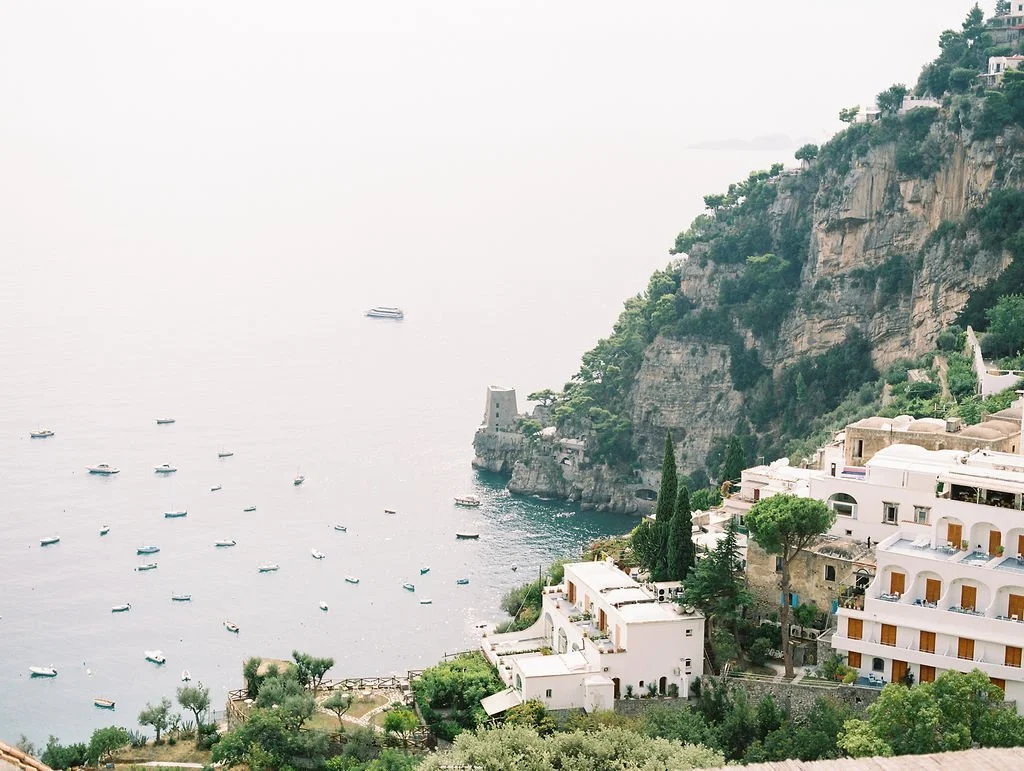
Photography by Diane Sotero Photography
There is a difference between hosting a wedding in a beautiful destination and creating a celebration that truly belongs there.
A breathtaking view can certainly set the stage. But when couples invite the people they love to travel across the country or around the world to celebrate with them, the destination has the opportunity to become much more than scenery.
It can become part of the story.
At Kesh Events, we approach destination wedding planning through the lens of experience and hospitality. We consider not only how the wedding will look, but how the entire journey will feel from the moment guests begin planning their travel through the moment they return home.
Because the wedding may happen on one day.
The experience begins much earlier.
A thoughtfully planned destination wedding uses the location as part of the guest experience, incorporating its culture, cuisine, architecture, landscape and hospitality into a cohesive multi-day celebration. The strongest destination weddings feel connected to both the couple and the place, rather than recreating an experience that could happen anywhere.
What Makes a Destination Wedding Feel Truly Connected to Its Location?
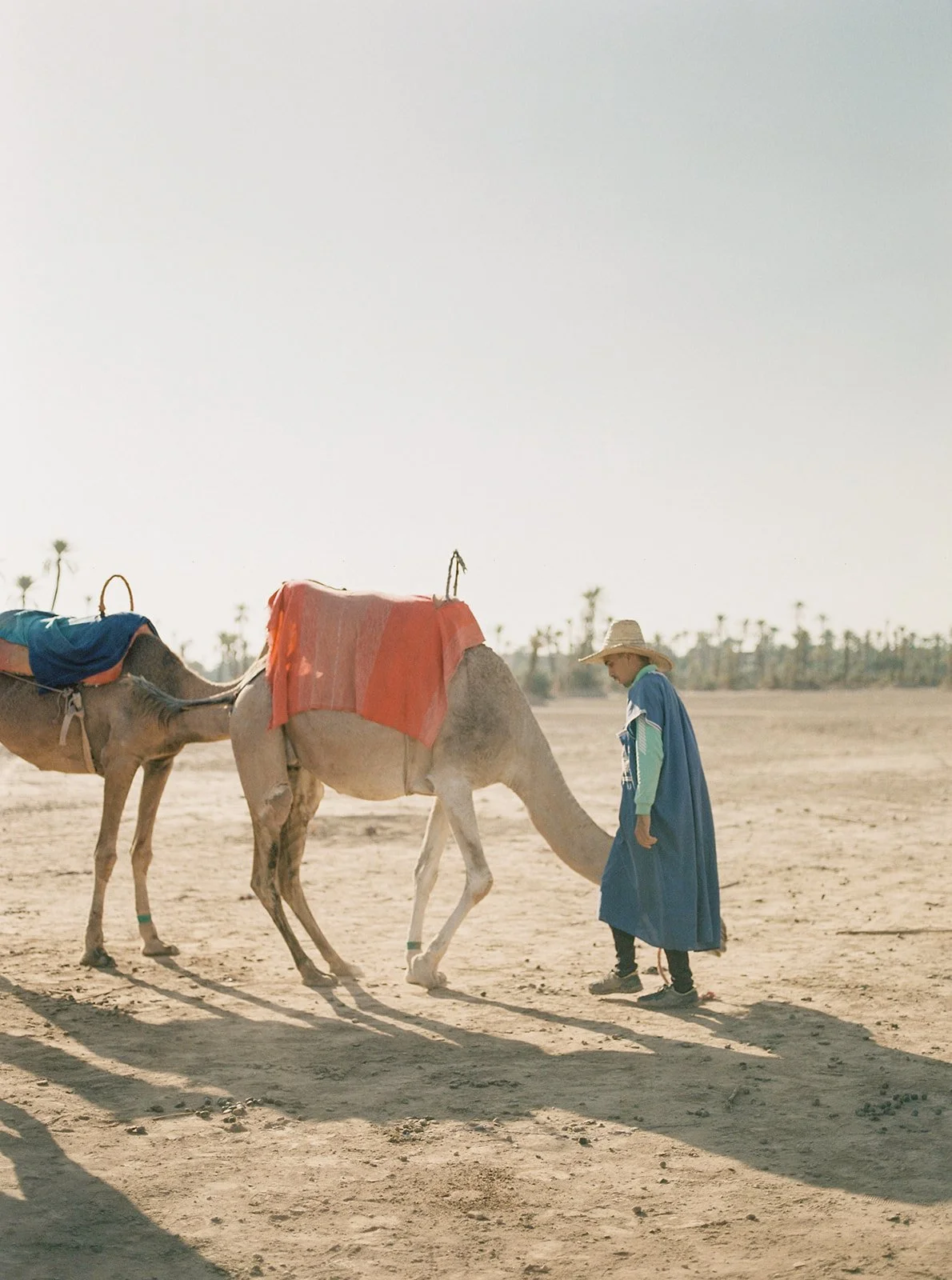
Photography by Diane Sotero Photography
A strong sense of place comes from understanding what makes a destination distinctive and thoughtfully deciding which elements belong in the celebration.
That might include the architecture of a historic property, ingredients grown in the region, music connected to the local culture, flowers indigenous to the landscape, work from local artisans or an experience guests would rarely have access to on their own.
These details should never feel like a collection of destination clichés.
They should feel considered.
The question we continually ask is:
Why could this experience only happen here?
That question can change everything.
Think Beyond the Wedding Day
For a multi-day destination wedding, the ceremony and reception are only part of the guest experience.
Guests may be traveling hundreds or thousands of miles. Some may be visiting the destination for the first time.
Their experience begins with questions such as:
Where should we stay?
What should we wear?
How will we get around?
What should we experience while we're there?
Where will everyone gather?
What happens between wedding events?
Thoughtful destination wedding planning anticipates those questions before guests have to ask them.
The welcome experience, accommodations, transportation, dining, activities, wedding events and departure should feel connected rather than like separate pieces of an itinerary.
We think of it as designing an entire journey.
Let Guests Experience the Destination
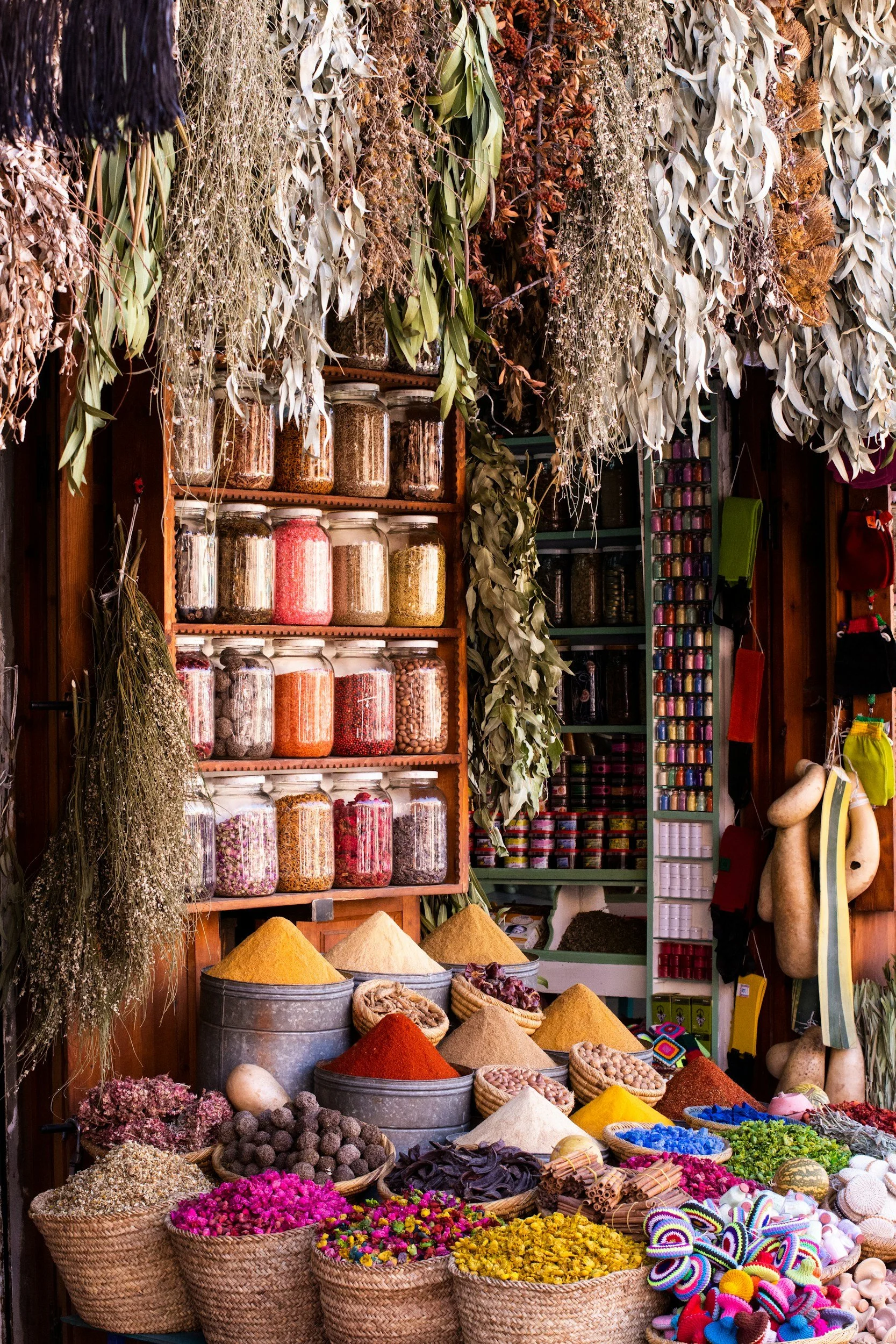
One of the greatest opportunities of a destination wedding is giving guests access to experiences they may never have discovered otherwise.
That doesn't require filling every hour of the weekend.
In fact, some of the best destination wedding itineraries leave room for guests to explore.
Instead, consider a few intentional experiences that reveal something meaningful about the location.
Perhaps guests gather for dinner at a family-owned restaurant.
A local artisan creates something specifically for the celebration.
A chef introduces a regional ingredient through the menu.
Guests visit a vineyard, historic home, market or cultural institution.
Or the welcome celebration takes place somewhere completely different from the wedding venue, allowing guests to experience another side of the destination.
The goal isn't more programming.
It is meaningful programming.
Hospitality Should Connect the Entire Weekend
The best hotels understand that hospitality is rarely defined by one grand gesture.
It is created through dozens of thoughtful decisions.
Someone remembers your name.
Your room is prepared before you arrive.
A question is answered before you need to ask it.
Something you casually mentioned appears later as a thoughtful surprise.
The same philosophy can transform a destination wedding.
Guest communication, transportation, welcome gifts, food and beverage, room amenities, transitions between events and even the final goodbye all contribute to how the celebration is remembered.
Beautiful design may create the first impression.
Thoughtful hospitality creates the feeling guests carry home.
Cultural Detail Is Not a Theme
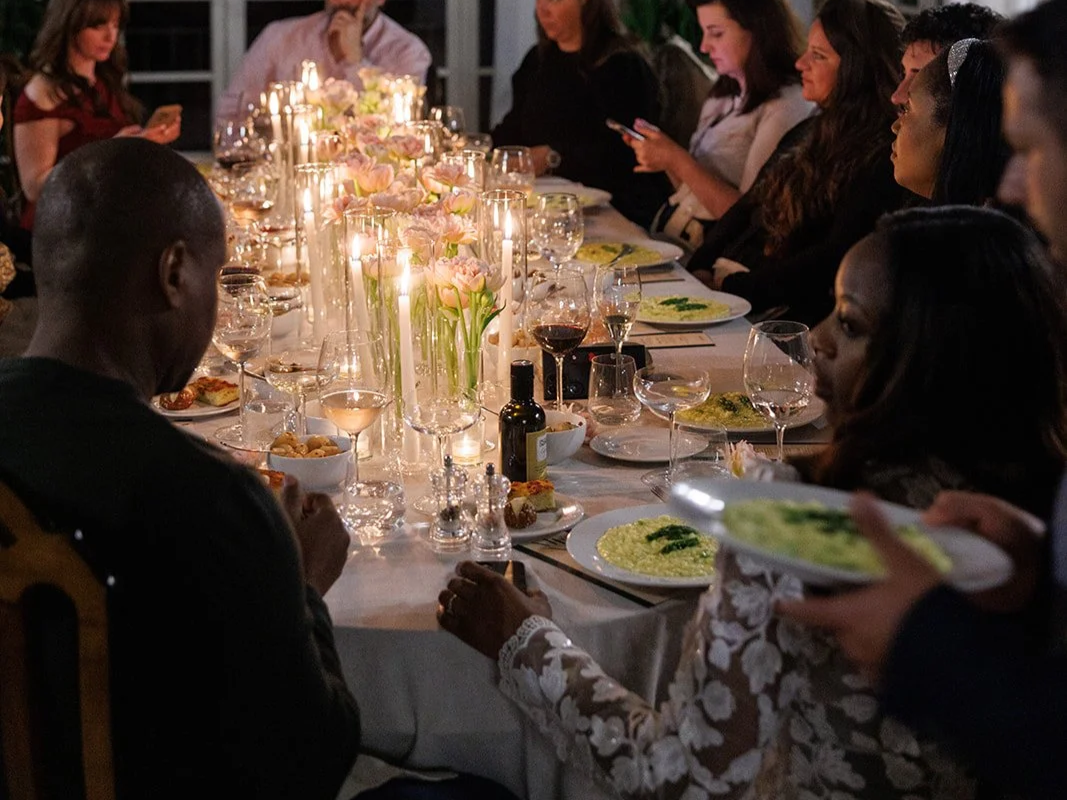
Photography: Collin Pierson
For multicultural celebrations or weddings taking place in culturally significant destinations, cultural influence deserves particular care.
There is an important difference between incorporating culture thoughtfully and reducing it to decoration.
Traditions should have context.
Food should have meaning.
Music should feel authentic.
Craftsmanship should honor the people who created it.
And when multiple cultures are represented within one wedding, each should feel respected rather than simply layered together for visual effect.
Cultural fluency is increasingly important in destination wedding planning because the most personal celebrations aren't created by following a formula.
They are created by understanding people.
How Should Couples Choose a Destination for Their Wedding?
Before falling in love with a venue photograph, consider the larger experience.
Ask:
What does this destination mean to us?
How easy will it be for our guests to reach?
What type of hospitality infrastructure exists?
What will our guests experience beyond the wedding?
Does the destination reflect the atmosphere we want to create?
What season allows the location to be experienced at its best?
Are there local traditions, cuisine, architecture or experiences that connect naturally to our story?
And perhaps most importantly:
Will this destination give our guests a reason to remember not only the wedding, but the journey?
The New Measure of a Destination Celebration
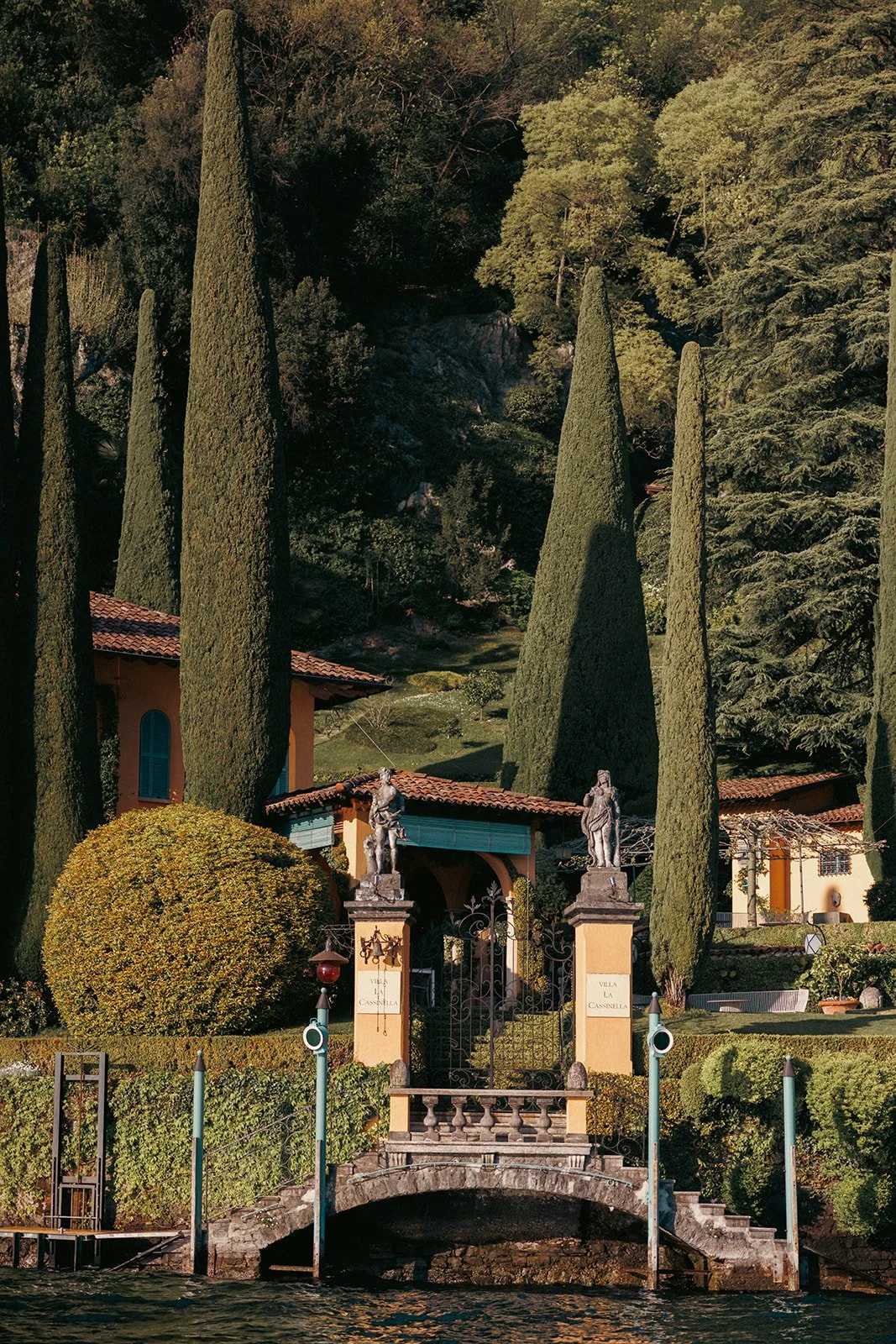
Photography: Collin Pierson
High-end celebrations are increasingly about more than what guests can see.
They are about access.
Discovery.
Personalization.
Hospitality.
Connection.
And memory.
That is why we believe destination wedding planning should go far beyond bringing beautiful design into a beautiful location.
We don't simply bring a wedding to a destination.
We allow the destination, the people and the celebration to tell one story.
That is when a wedding begins to feel impossible to replicate anywhere else.
And that is precisely the point.
Planning a Destination Wedding?
Kesh Events plans and designs multi-day destination weddings and private celebrations for clients around the world, bringing together thoughtful hospitality, editorial design, cultural fluency and a highly personalized guest experience.
Explore our destination wedding planning and design services at keshevents.com.
Destination Wedding Planning FAQs
What does a destination wedding planner do?
A destination wedding planner manages the strategy, logistics and guest experience surrounding a wedding away from home. This can include venue sourcing, vendor management, design, travel logistics, transportation, accommodations, cultural considerations, multi-day event planning and on-site production. For high-end destination weddings, the planner also helps create a cohesive experience across the entire celebration rather than focusing only on the wedding day.
How far in advance should you plan a destination wedding?
For many destination weddings, planning 12 to 18 months in advance provides greater flexibility for venues, accommodations and preferred creative partners. Larger multi-day celebrations, international destinations and events requiring significant guest travel may benefit from an even longer planning window.
What should be included in a destination wedding weekend?
A destination wedding weekend might include a welcome gathering, cultural or local experience, rehearsal dinner, wedding ceremony and reception, after-party and farewell brunch. The itinerary should reflect the couple, destination and guest experience rather than adding events simply to fill the schedule.
How do you make a destination wedding feel connected to the location?
Begin with the qualities that make the destination distinctive. Architecture, cuisine, landscape, craftsmanship, music, history and local traditions can all inform the experience. The goal is thoughtful integration rather than turning the destination's culture into a theme.
How do you create a memorable guest experience at a destination wedding?
Consider the guest journey from the moment invitations are received through departure. Clear communication, thoughtful accommodations, seamless transportation, meaningful welcome details, excellent food and beverage, intuitive transitions and opportunities to experience the destination all contribute to how guests remember the celebration.
Are destination wedding planners responsible for guest travel?
The scope varies by planner. A full-service destination wedding planner may coordinate room blocks, transportation and guest logistics while working alongside travel advisors or destination-management partners for individual flights and travel arrangements. Couples should clarify exactly which travel-related services are included before hiring their planning team.
How much does a destination wedding planner cost?
Destination wedding planning fees vary significantly depending on location, guest count, number of events, complexity, planning scope and level of service. High-end planners may charge a percentage of the overall wedding investment, a flat planning fee or a combination of fees, with travel and on-site production expenses handled separately.
What is the difference between a destination wedding planner and a venue coordinator?
A venue coordinator primarily represents the venue and manages responsibilities related to the property. A destination wedding planner represents the couple and oversees the broader celebration, including creative partners, design, logistics, guest experience, multiple events and coordination across locations.
